
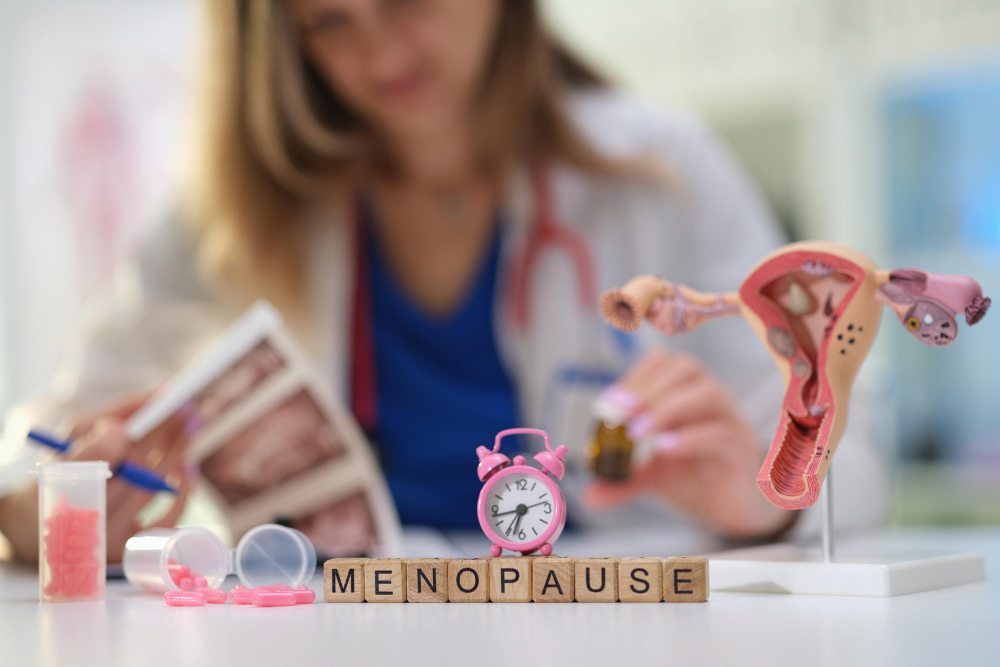
What is Menopause?
Menopause is a natural stage in a woman’s life. It marks the end of monthly periods. Usually, menopause happens between ages 45 and 55. However, some women may experience it earlier or later. During menopause, the ovaries stop making hormones like estrogen and progesterone. As a result, periods become irregular and then stop. For many women, this change can bring both physical and emotional symptoms. Understanding menopause helps you prepare and manage it better.
Common Symptoms of Menopause
Many women notice changes as menopause begins. These symptoms can vary from mild to severe. For example, some women may only have a few symptoms, while others may have many. Common symptoms include:
Additionally, some women may feel tired or notice changes in their hair and skin. If you have these symptoms, you are not alone. Relief for menopause symptoms is possible with the right care.
Causes and Risk Factors
Menopause happens as a natural part of aging. The main cause is a drop in hormone levels. However, some factors can affect when menopause starts. For instance, certain surgeries or health conditions can trigger early menopause. Common risk factors include:
In addition, lifestyle choices and genetics play a role. Knowing your risk factors can help you plan for expert menopause care.
Diagnosis and When to Seek Help
Doctors diagnose menopause based on symptoms and age. Sometimes, they may order blood tests to check hormone levels. However, not all women need tests. If you have missed periods for 12 months, you are likely in menopause. You should see a doctor if you:
Early diagnosis helps you get the right support. For expert menopause care in your area, ask your doctor for advice.
Expert-Recommended Treatment Options
There are many ways to manage menopause symptoms. Treatment depends on your health and needs. For example, some women benefit from hormone therapy. Others may use non-hormonal medicines. Expert menopause care often includes:
However, not all treatments are right for everyone. Always talk to your doctor before starting any new medicine. The CDC and WHO recommend discussing risks and benefits with a healthcare provider.
Lifestyle Tips for Managing Menopause
In addition to medical treatments, healthy habits can help. Many women find relief for menopause symptoms by making small changes. Here are some menopause management tips:
Additionally, avoid smoking and limit alcohol. These steps can improve your overall well-being during menopause.
Prevention and Long-Term Health
While menopause is natural, you can protect your health during this time. For example, regular check-ups help catch problems early. Long-term health tips include:
In addition, managing menopause well can lower your risk of future health issues. Expert care helps you stay healthy for years to come.
Frequently Asked Questions
In summary, managing menopause with expert care can make this stage easier. For personalized guidance and support, consult a gynecologist or menopause specialist at Dr Pavani’s Clinic .