
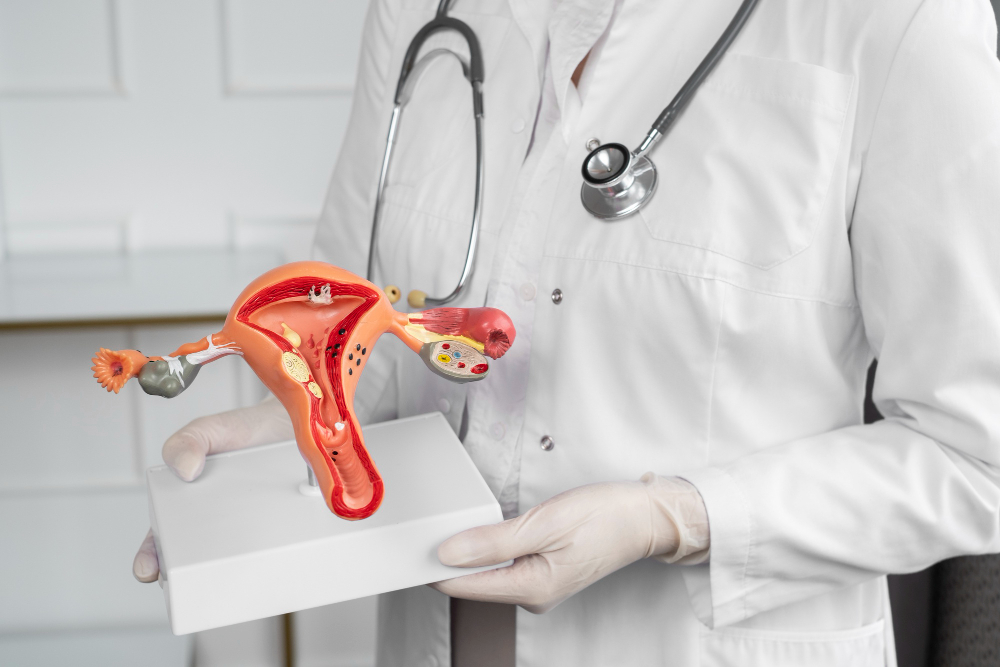
What is Endometrial Hyperplasia?
Endometrial hyperplasia is a condition where the lining of the uterus, called the endometrium, becomes too thick. This thickened uterine lining happens when there is an imbalance of hormones, especially estrogen and progesterone. Because this condition can sometimes lead to more serious problems, it is important to understand its causes, symptoms, and treatment options. Many women experience changes in their menstrual cycle, but not all changes mean endometrial hyperplasia. However, knowing the signs can help you seek care early.
Causes and Risk Factors
There are several reasons why endometrial hyperplasia may develop. Most often, it is linked to too much estrogen without enough progesterone. This hormone imbalance can cause the uterine lining to grow too much. For example, women who do not ovulate regularly may be at higher risk. In addition, certain factors can increase your chances of developing this condition:
Because these risk factors can add up, it is wise to talk to your doctor if you have any concerns.
Common Symptoms
Many women with endometrial hyperplasia notice changes in their periods. However, some may not have any symptoms at all. Still, it is important to watch for these common signs:
For example, if you notice bleeding after menopause, you should see a doctor right away. Even though these symptoms can have other causes, it is best to get checked.
Diagnosis Methods
Doctors use several methods to diagnose endometrial hyperplasia. First, your doctor will ask about your symptoms and medical history. Next, a pelvic exam may be done. Often, an ultrasound is used to check the thickness of the uterine lining. In some cases, a sample of the endometrium is taken for testing. This is called an endometrial biopsy. Because early diagnosis is important, do not delay seeking care if you have unusual bleeding.
Treatment Options
Treatment for endometrial hyperplasia depends on the type and your risk of developing cancer. Your doctor will discuss the best plan for you. Common treatment options include:
Because each case is different, your doctor will help you choose the safest and most effective treatment.
Prevention and Lifestyle Tips
While you cannot prevent all cases of endometrial hyperplasia, some steps may lower your risk. For instance, maintaining a healthy weight can help balance your hormones. In addition, regular exercise and a balanced diet support overall health. If you use hormone therapy, talk to your doctor about the safest options. Here are some helpful tips:
Because early action can make a difference, these habits are important for your health.
When to See a Doctor
If you notice any unusual vaginal bleeding, especially after menopause, see a doctor soon. Also, if your periods become much heavier or last longer than usual, do not wait. Early diagnosis and treatment for endometrial hyperplasia can prevent more serious problems. Even if your symptoms seem mild, it is better to be safe and get checked.
In summary, endometrial hyperplasia is a treatable condition. However, it is important to recognize the signs and seek care early.
Consult a gynecologist at Dr. Pavani’s Clinic for personalized advice on endometrial hyperplasia. Book your consultation today!